
Introducing lead routing to motivate sales and lift performance :)
July, the start of Q3. After a first half full of trial and error, I put together a plan to make marketing work more systematic this quarter and hit higher goals.
I especially felt the need for structure. As inbound consultation requests kept growing, the goal became assigning them to a sales rep as quickly as possible and cutting down the time customers spend waiting.
Our team doesn't have an SDR yet, so given our structure, we had to solve this with a system. The first step was to get more out of the SaaS tools that support sales.
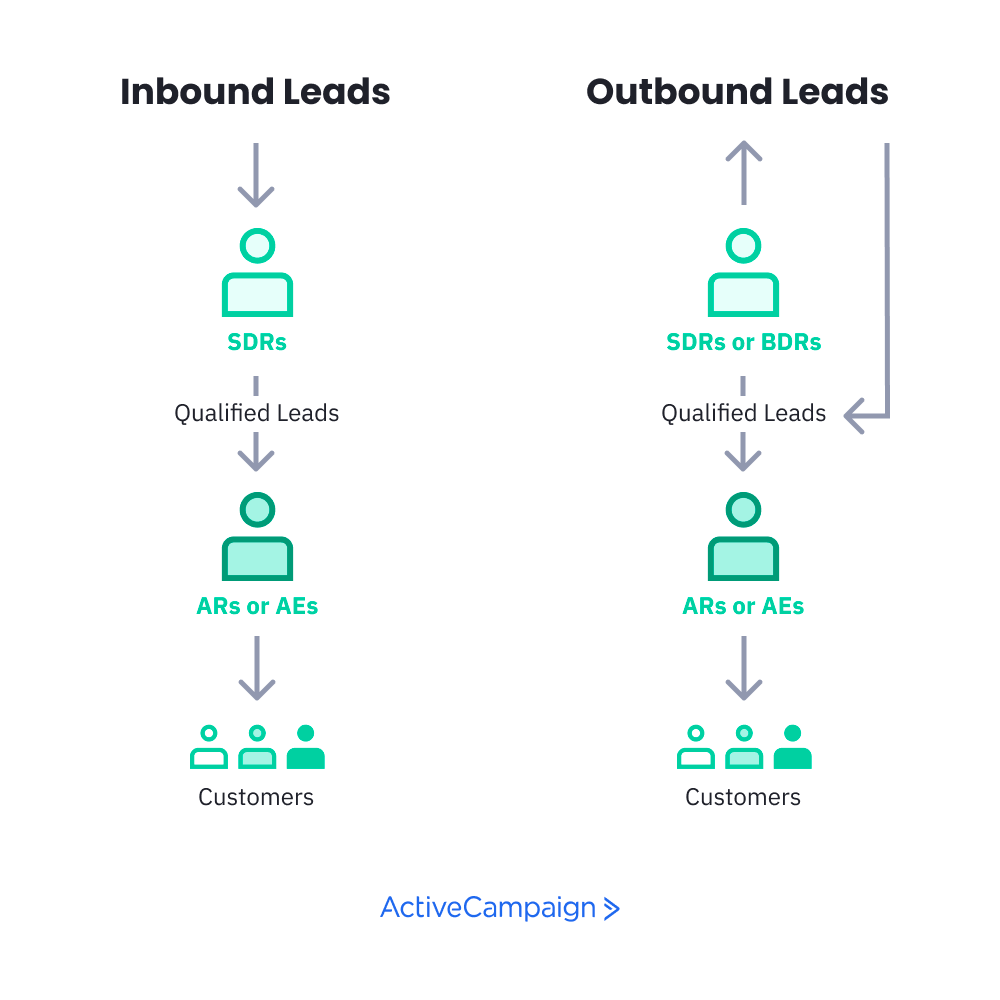
Lead routing: Saving customers' and teammates' time at once
I learned inbound marketing from books.
I've opened HubSpot's *The Sales Acceleration Formula again and again, thinking about how to improve convenience for salespeople and customers at the same time.
The most appealing part of it was creating an SLA (service level agreement) inside the growth team.
Marketing team: Consistently deliver enough high-quality leads.
Sales team: Make the first follow-up on every new lead within one hour.
*I really do recommend this book, but honestly, for a B2B marketer, reading from chapter 4 onward is probably enough.
Growing inbound and outbound leads matters, but from the whole team's perspective, I thought the thing to watch was making sure those results spark the salespeople's motivation and lead to proactive follow-up.
Why would I, a marketer, think about salespeople's motivation?
Because in the end, this is work done by people.
So this month, to create an environment where salespeople could easily follow up within an hour, I built a lead routing system internally.

Round robin: A lead routing method that's fair to salespeople
We take solution consultation requests through our website.
The people who submit them are all over the map, from solo online-shop owners to marketing managers at mid-sized and large companies, UX researchers, and developers.
Simplified into two buckets, SMB and Enterprise, it breaks down like this.
SMB: Relatively small scale, fast decisions, can install VREVIEW themselves
Enterprise: High order volume, complex and long decision-making, needs an onboarding process
Of these two kinds of leads, which one would whet a salesperson's appetite?
Simply put, the Enterprise lead.
The problem is deciding which sales rep to assign it to.
As teams grow, some separate SMB and Enterprise owners entirely, but for now we set it up so that both SMB and Enterprise leads are split evenly between our two sales reps.
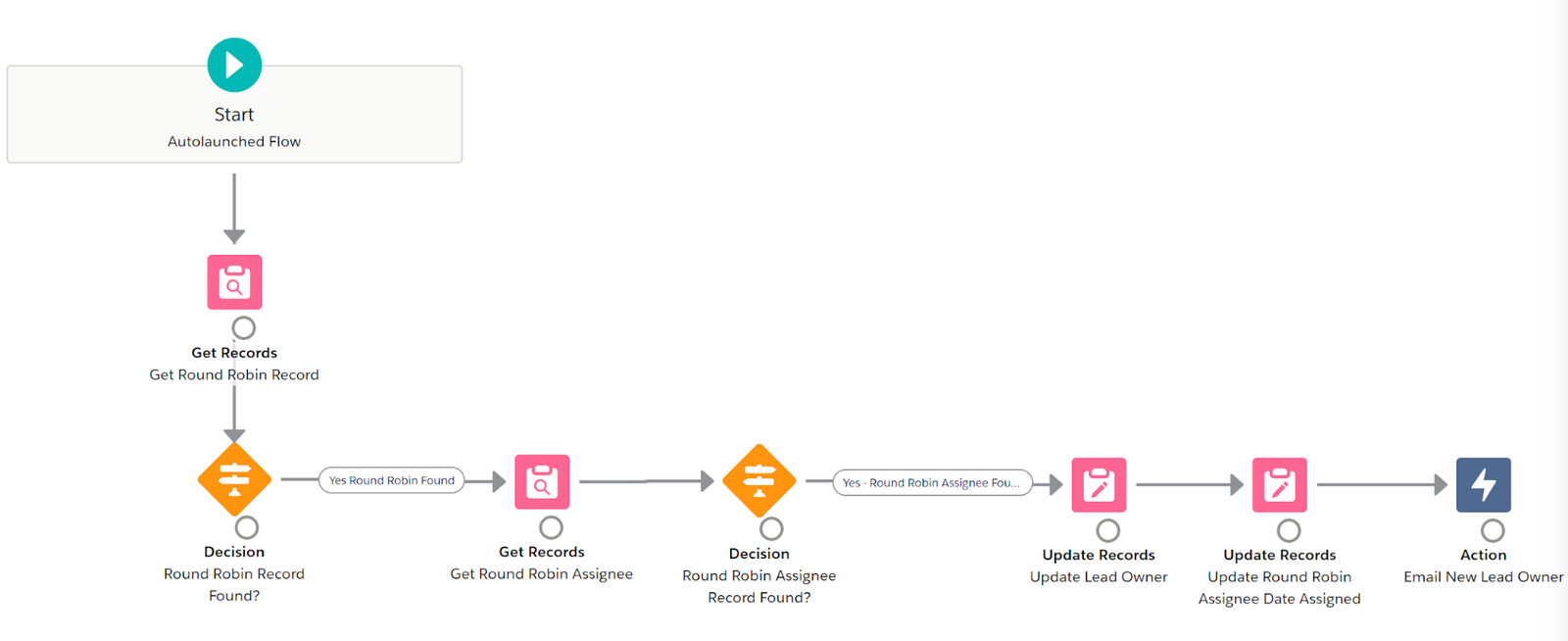
We automated rep assignment with Salesforce's basic lead routing feature, and for Enterprise leads we streamlined everything from inquiry to meeting scheduling through Recatch by Business Canvas.
Of course, I know this approach could change at any time, so I decided to learn the tools well enough to use them properly.
Like Webflow, Salesforce is American-made SaaS, and maybe that's why it gives you a huge amount of freedom, with the dilemma that "you have to build everything yourself."
Maybe someday I can list Salesforce, Webflow, and Ghost blog setup in my tech stack. Or not, haha.

A B2B growth team's fate: An endless cycle of trial and error and process refinement
Redesigning our website myself this year, I got help from so many tools: Webflow, Zapier, Salesforce, Recatch, Stibee (a Korean email newsletter tool), the VREVIEW chatbot API, and more. Thanks to them, I was able to build a fairly respectable inbound funnel.
We don't have an SDR position yet, but I'm hoping a good system can play that role to some extent.
In August, I expect to try even more things on both the inbound and outbound fronts, from preparing offline events to creating content and running cold email campaigns, and I'll need to make sure the systems side doesn't slip through the cracks along the way.
People I'm grateful for this month
- The Indent growth team, growing together and cheering each other on, and our COO Jerry :)
- The American-SaaS veterans who shouldered the pain before I had to
- Myself, for running hard again this month!


