

You got hired as a marketing AE, and your main job is phone sales and cold calling?
Hi, I'm Josh, a marketer who makes content for marketers :)
Today I want to talk about one of the questions aspiring marketers ask most often: "AE cold calling."
Back when I was job hunting as a marketer, I also considered the path of building one or two years of experience at an agency and then moving in-house. Judging by the communities, a lot of people seem to be looking at marketing agencies with similar thoughts.
One thing that comes up a lot, though, is "Don't go to an agency that makes you do phone sales."
Personally, I think being able to bring in clients yourself is a real skill for an AE with expertise, but I also think that method shouldn't be mainly phone sales, or in more professional terms, cold calling.
Unfortunately, though, the reality is that a great many marketing agencies run on phone sales, and it reportedly takes up a large share of the working hours of AEs (account executives, the people who manage advertisers).
So let's look specifically at the harm that phone sales and cold calling can do to an AE's career.

5 reasons agency AE cold calling is avoided
Fundamentally, for a new grad who joined with big dreams of starting a career as a marketer, cold calling is an enormously stressful job.
It's so different from the image they have of what marketing work is. I'll get to the career-side problems later; first, let's talk about the problems with cold calling itself.
1. High workload and stress
Cold calling basically happens during clients' business hours, that is, between 9 a.m. and 6 p.m.
That means when agency AEs have to pour a lot of time into cold calling, the rest of their work naturally spills over into overtime.
Marketing is a demanding job by nature, and most new hires know that when they apply.
But spending most of your working hours on sales calls is a completely different matter from grit or resolve.
On top of that, new marketers and AEs don't yet have the skills or knowledge to answer customers' questions quickly on the fly, so these calls are very likely to be exhausting for both sides.
2. Constant rejection, sinking self-esteem
Think about how we handle calls from insurance companies or telecom carriers. Most of us hang up without even listening, or get angry at the repeated contact.
There'll be icy responses like "How did you get my number? Don't call me again."
Of course, as I said above, cold calling itself is valuable work, but facing the same pattern of rejection all day long drains morale and undermines motivation itself.
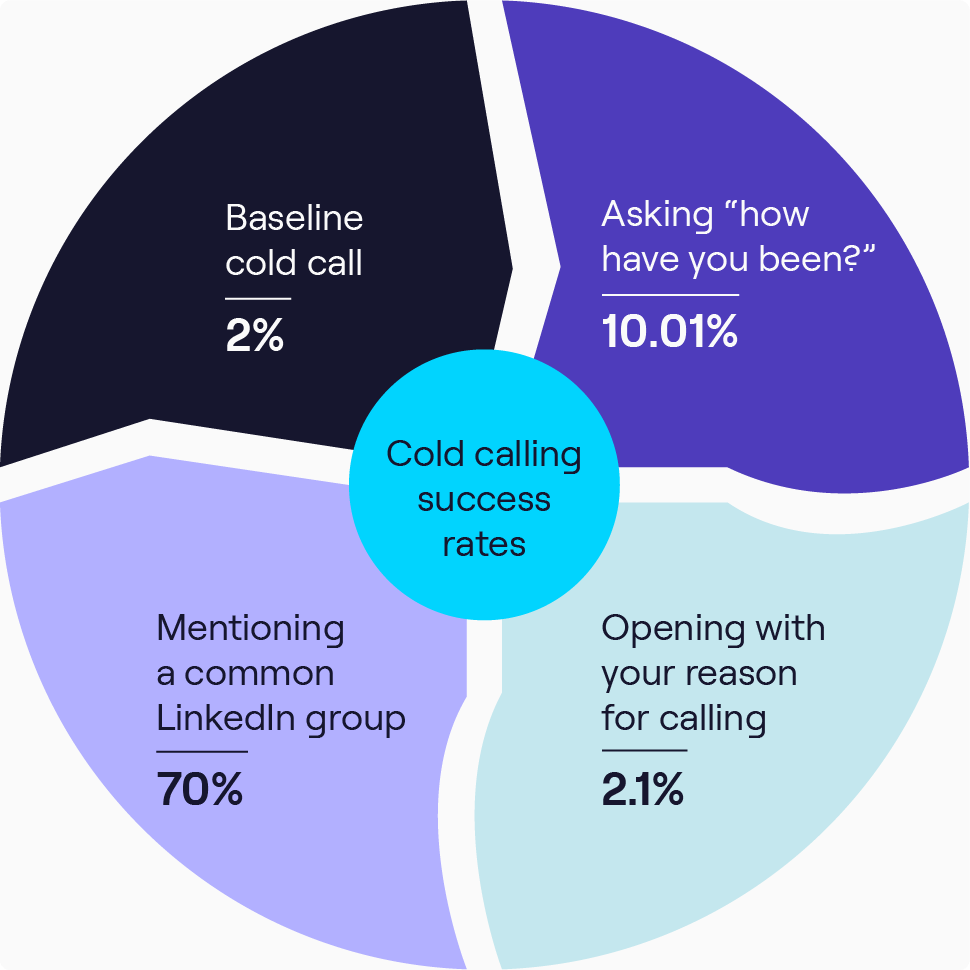
Typically, cold calls made without any other strategy have a 2% success rate. In other words, 50 calls a day gets you one advertiser.
3. The agency's own lack of marketing capability
Honestly, I think this is the biggest problem.
When most of the staff are tied up with cold calling, it means there's always a shortage of advertisers and nobody is seeking this agency out.
An AE doing an advertiser's work mostly falls under B2C marketing, but an agency winning advertisers is B2B marketing.
An agency whose main channel is cold calling has, from a B2B marketing standpoint, no inbound clients. You can diagnose that as a serious problem with the growth potential of the agency itself, and by extension of the employees who work there.
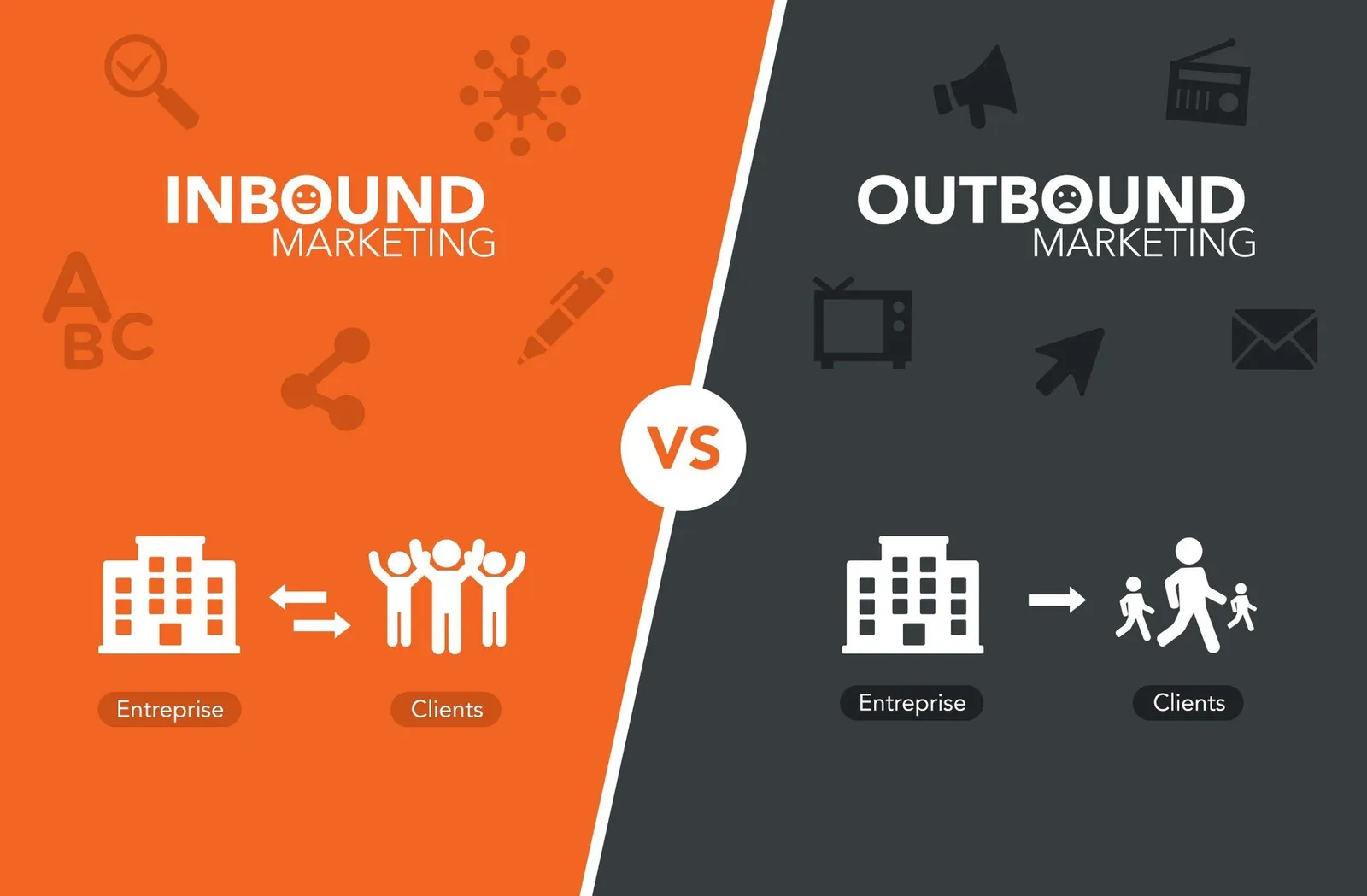
This means the company's own digital marketing capability is low.
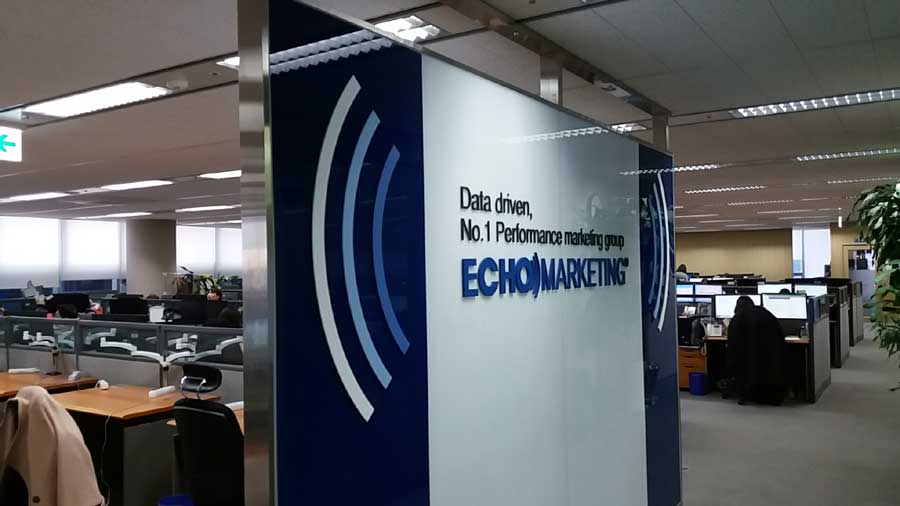
It's the opposite of the agencies many people prefer, most notably Echo Marketing (a Korean performance agency famous for growing its own consumer brands), where people line up to hire them thanks to a long list of success stories and the success of their own businesses.
4. Low job satisfaction, no mid-level staff
The problems above create an even bigger vicious cycle here.
Because of problems 1 through 3, most marketing agencies have high turnover.
That in turn means there are no mid-level staff to mentor new hires when they join.
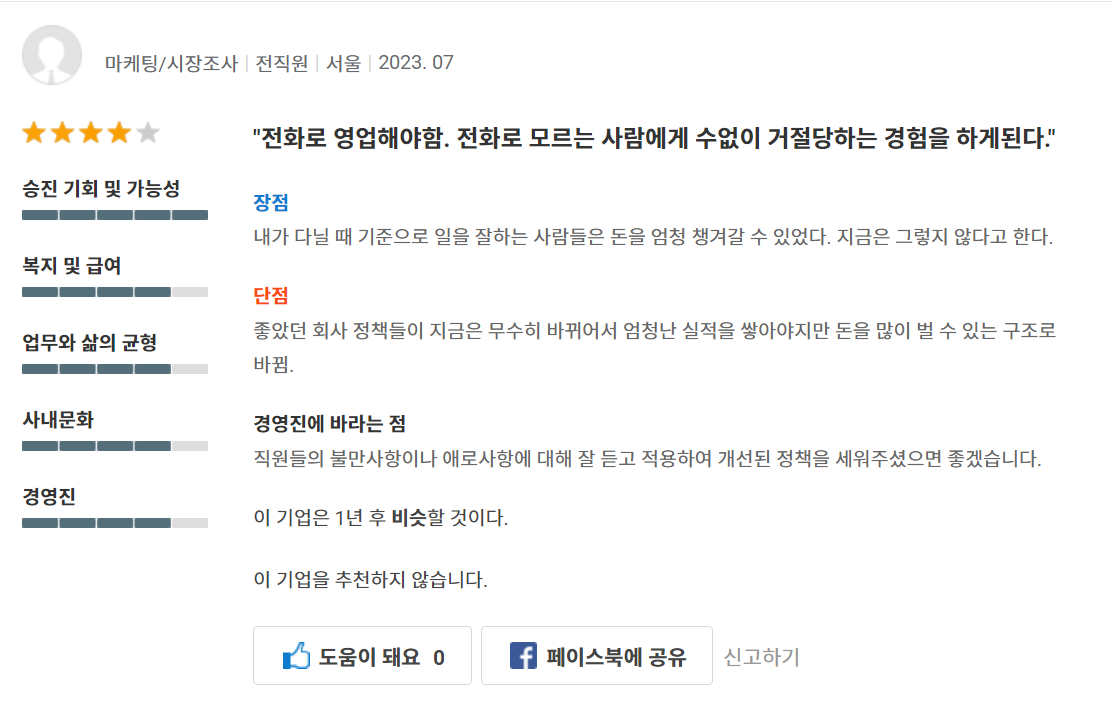
In an agency that's become an hourglass-shaped company, made up of senior staff who don't do uncomfortable hands-on work like cold calling plus new hires, the new hires once again pour most of their time into cold calling and report low job satisfaction.
This shows up plainly in ratings on JobPlanet (Korea's Glassdoor-style company review site).
5. Few opportunities to develop expertise
These days, working without a senior to learn from isn't as brutal as it used to be, thanks to the data and case studies available online, but new hires still need a leader they can trust and follow.
Also, with the overall slump in ad performance and the continued advance of marketing automation tools, we're in an era where you can no longer build marketing skills on simple search and social ads alone.
An agency relying on simple cold calling means it isn't keeping up with changing digital media trends, which translates to only being able to pick up outdated skills.
Cold calling is too harsh for new marketers and AEs
That's my rundown of the problems an AE at a cold-call-centric agency can face.
Writing this made me feel even more strongly that a cold-call-centric agency would be overwhelming for new hires starting their marketing careers.
As I said at the start, I think the ability of an account executive, an AE, to bring in good advertisers on their own is an important competency.
The people earning high salaries at agencies are the ones managing many advertisers, which means they have solid know-how on the B2B marketing side.
But for those just starting their careers, I'd recommend finding an agency with real expertise, or building expertise in a specific industry in-house from the start :)


