

A really simple process for writing good copy
Hi, I'm Josh, a marketer who makes content for aspiring and working marketers!
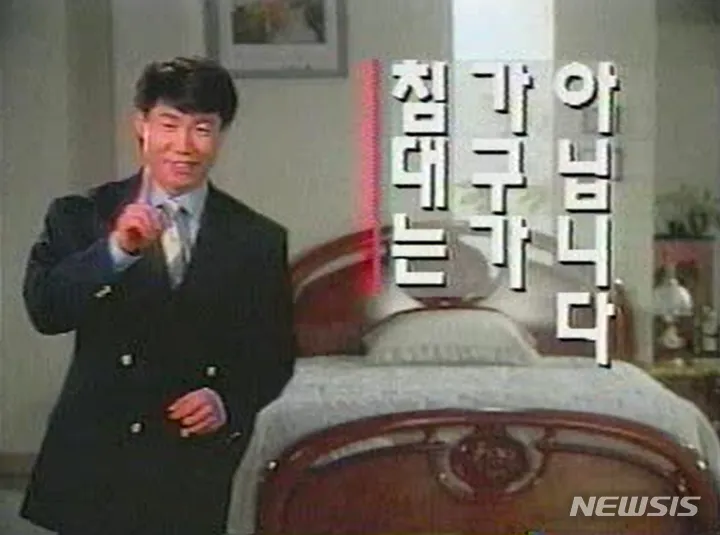
Today I want to share a methodology I learned directly, over about two months, from my mentor Dongwon Cho, the copywriter behind "The bed is science" (Ace Bed), the most famous line in Korean advertising.
This technique helps nudge the countless lines of copy we write while making content a little closer to the customer's point of view.
I can't say I use it every single time, but whenever I write copy that represents a company or a product, I always picture this framework in my head.
I've attached the actual examples I wrote and had evaluated during my mentoring at the bottom of this post, so reading along with them should help things click :)
This four-step methodology demands a lot of insight, starting from the product and going all the way to the consumer.
If you didn't have a clear hypothesis about your product and customers, this can be the occasion to find them one by one :)
Customer-centered copywriting in 4 steps
Step 1. Find the product's USP
"Why does it have to be this product?"
Marketing is the process of solving customers' problems and persuading them.
That's why good copy usually carries a clear message of persuasion.
Before you start writing copy, you first have to figure out why your brand and product can solve the customer's problem, and what part of it competitors can't replace.
In other words, copywriting starts with finding an objective USP (unique selling proposition) grounded in the 3Cs (Company, Competitor, Customer).
Step 2. Set the copywriting concept and target
The second step, following the USP work above, is to deepen your understanding of the product and the target and settle on a concept.
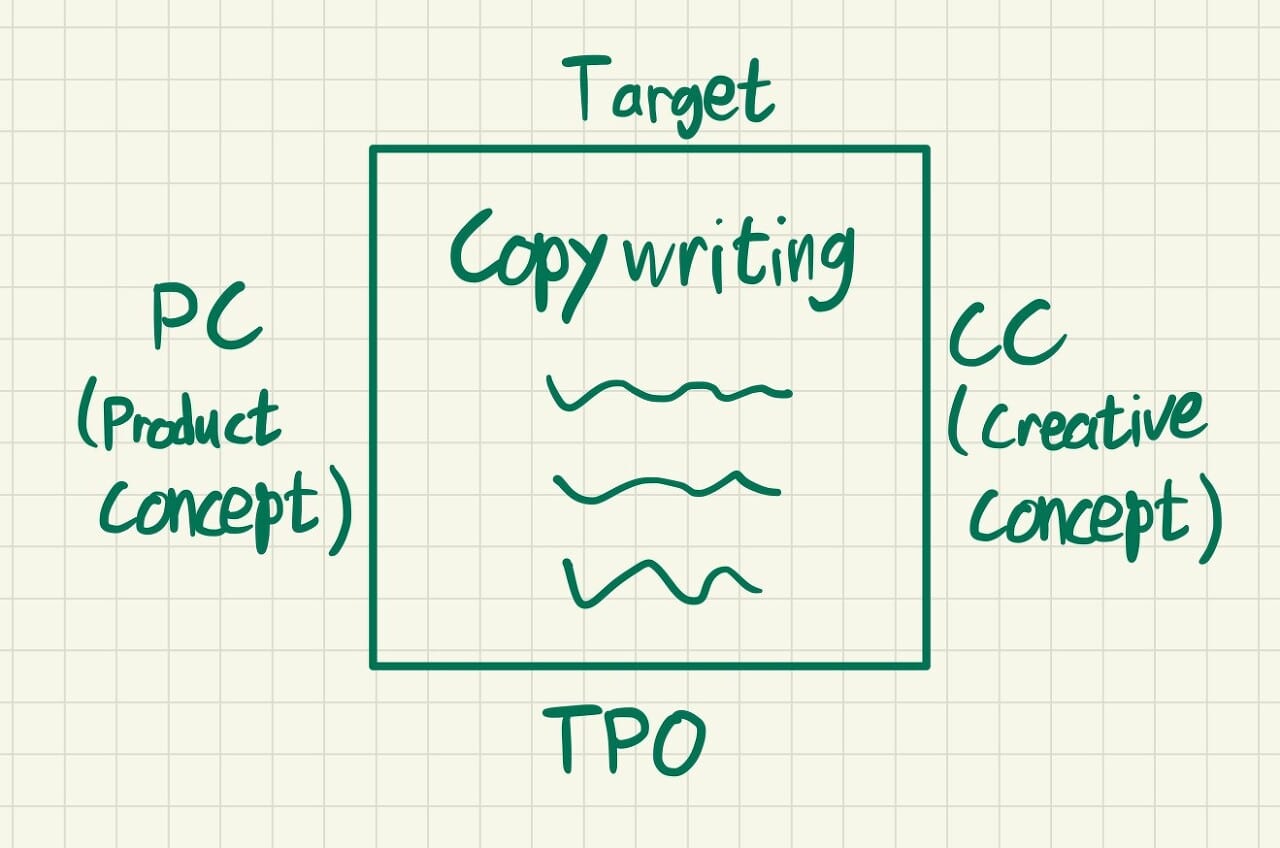
There are four main things to lay out. Since copywriting connects the product and the consumer, you end up with concepts that speak for each side: one for the product, one for the consumer.
What matters here is that a concept needs to have a sense of "space" in it.
This is a bit abstract.
To give one example, if you settle on a concept like "a light camera," it's hard to come up with diverse ideas.
On the other hand, a concept like "a balloon that holds the world" lets you draw on many more attributes when you write, widening the range of ideas.
"Should we emphasize that the camera is as light as a balloon?"
"Let's make people imagine what the camera can do for them"
"It would go well with cute imagery or bouncy visuals"
The actual concept-development example below should make this part clearer.
+ Actual concept-development example
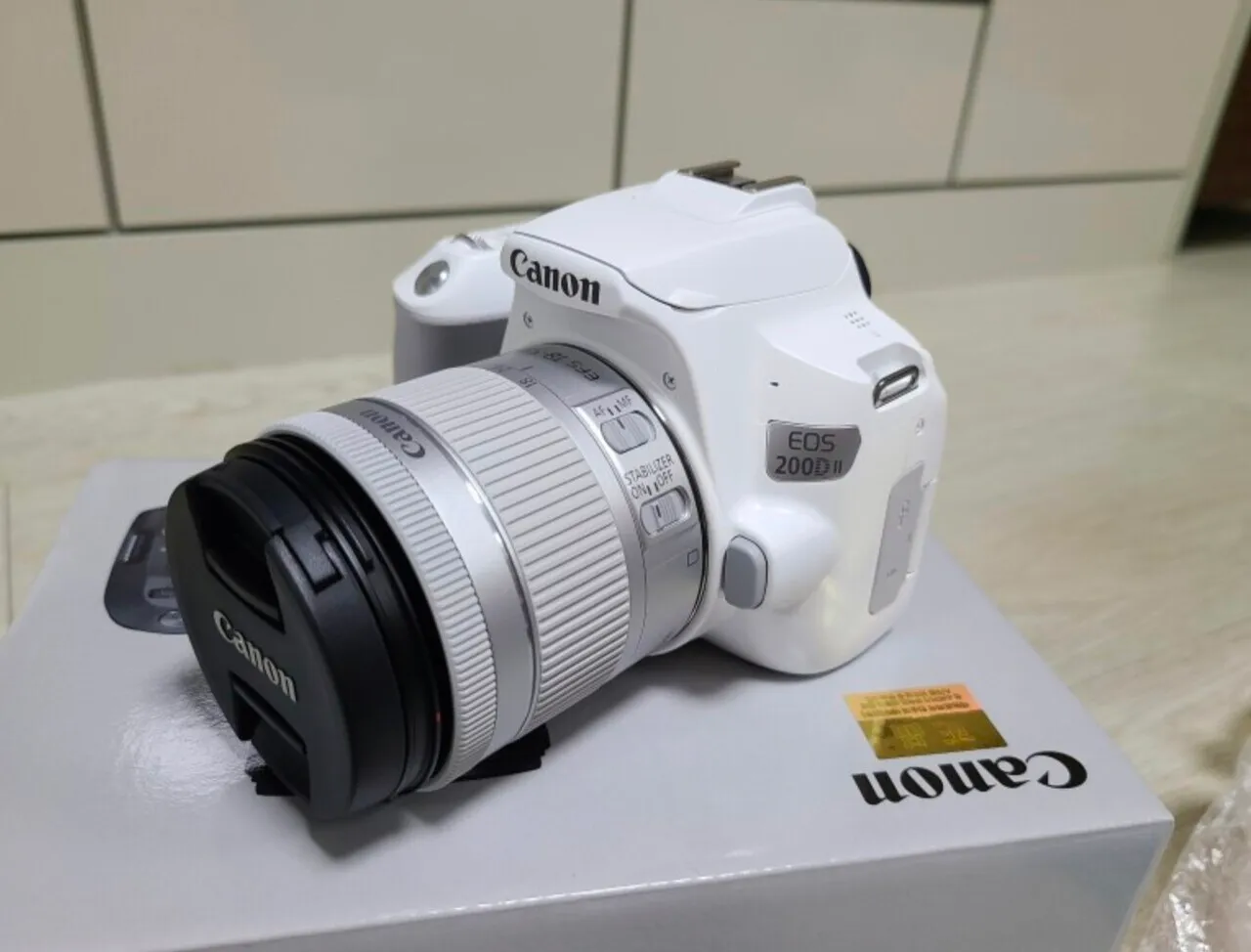
1. Product: Canon EOS 200D II camera
**1) The lightest DSLR camera
**Light enough to weigh under 500g without a lens
**2) A distinctive white color
**Released in white in a DSLR market that's over 90% black
**3) Easy to use
**Offers options like face retouching and food filters,
with intuitive controls that even beginners can pick up easily.
4) Entry-level price
True to an entry-level camera, you can get a full kit for around 1 million won.
Great value for the features.
-> The LG gram laptop of the camera market
2. Target: A 26-year-old woman who has started earning money from social media and her blog
"A, an office worker, recently started a blog and a vlog. At first she casually went around to restaurants, taking photos and leaving reviews. By the time she'd gathered 500 Instagram followers, a few sponsorship offers started coming in. Now she's thinking about starting a YouTube channel and posting vlogs. That's when she started to feel she needed equipment. If she could make money from it, she figured a certain amount of investment wouldn't be bad. But her budget wasn't enough to cover audio, lighting, a camera, and an editing computer all at once. Considering her savings and spare cash, about 1 million won was her limit. In the end, A put off the decision, and today she's still busy shooting and editing photos on her phone. The vlog can wait."
3. Product Concept: The most convenient camera
Even beginners can easily use the features of a high-end DSLR.
Video, filters, viewfinder: each function has its own button or dial for easy control.
Even people just entering the world of DSLRs can use it right away.
4. Creative Concept: A studio at your fingertips
With the 200D II, you can easily keep every scene from your daily life.
Meetups with friends, restaurant hunts, every image you discover on a trip can be captured in the way that suits it.
All you need is your hands.
Step 3. Write 20 lines of copy based on the concept
Now it's time to actually write copy.
First, build a "concept prison" based on the concept, target, and TPO (Time, Place, Occasion) you laid out above.
Keep the picture above in mind and write several lines of copy that can fit inside it.
While doing this, you should feel like you've sat the target down in your head and are persuading them. If that's hard, it's a good idea to actually go meet someone who could be your target.
Another thing to think about from a marketing standpoint is to hold this image: "The moment a product ships, its owner is already decided, and we return the product to that owner through our copy."
Once you've written about 20 lines based on the points above, move on to the next step.
If possible, it's best to structure them so they don't feel awkward when arranged in the order 'copy,' 'product concept,' 'product name.'
Actual copywriting examples
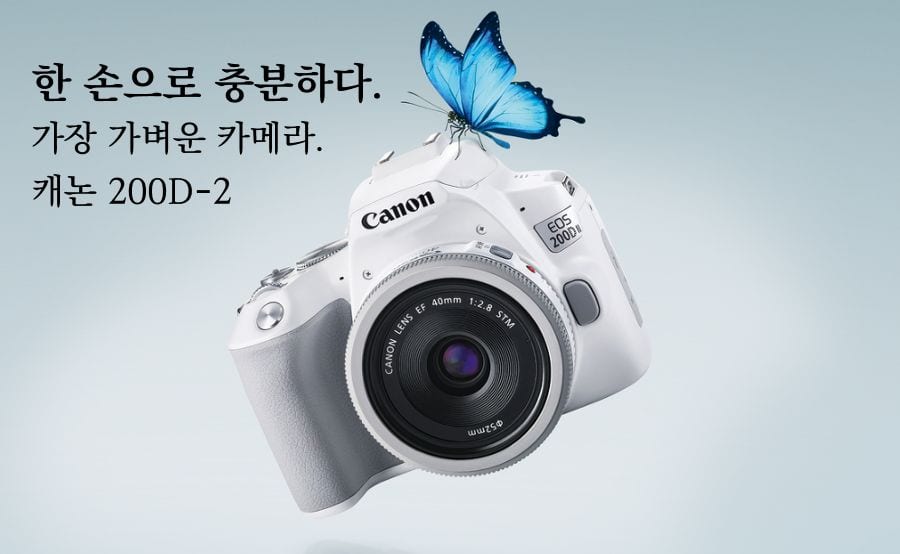
1. One hand is enough. The most convenient camera, Canon 200D II
2. My own studio, the most convenient camera, Canon 200D II
3. Daily life, recorded lightly, the most convenient camera, Canon 200D II
4. A light flick and click, the most convenient camera, Canon 200D II
5. For you, who finds DSLRs hard, the most convenient camera, Canon 200D II
6. From the moment to the story, the most convenient camera, Canon 200D II
7. Now my hands are pros too, the most convenient camera, Canon 200D II
8. My blog's director of photography, the most convenient camera, Canon 200D II
9. When you want to shoot like a pro, the most convenient camera, Canon 200D II
10. Side gig: photographer, the most convenient camera, Canon 200D II
11. When your smartphone isn't enough, the most convenient camera, Canon 200D II
12. For the shots you really mean, the most convenient camera, Canon 200D II
13. One photo that brings the writing to life, the most convenient camera, Canon 200D II
14. Are you a blogger, by any chance?, the most convenient camera, Canon 200D II
15. For one seriously good shot, the most convenient camera, Canon 200D II
16. Great for pretending to be a photographer, the most convenient camera, Canon 200D II
17. The world in one hand, the most convenient camera, Canon 200D II
18. This much is enough, the most convenient camera, Canon 200D II
19. Let's become a cute pro, the most convenient camera, Canon 200D II
20. Click, and it rings out, the most convenient camera, Canon 200D II
Step 4. Keep iterating to find good copy
Now, using exactly the method above, keep the good lines and cut the weak ones, and by the time you've written about 100, you'll find good copy.
Of course, if you're using them as Facebook ad creatives, you can also work more efficiently by putting in 20 good lines and optimizing based on performance, or running an A/B test for a set period.
I'll wrap up this post by sharing the copywriting checklist and tips I picked up along the way during my mentoring.
Thanks for reading all the way through.


