Hi, I'm Josh, and I make content for marketers.
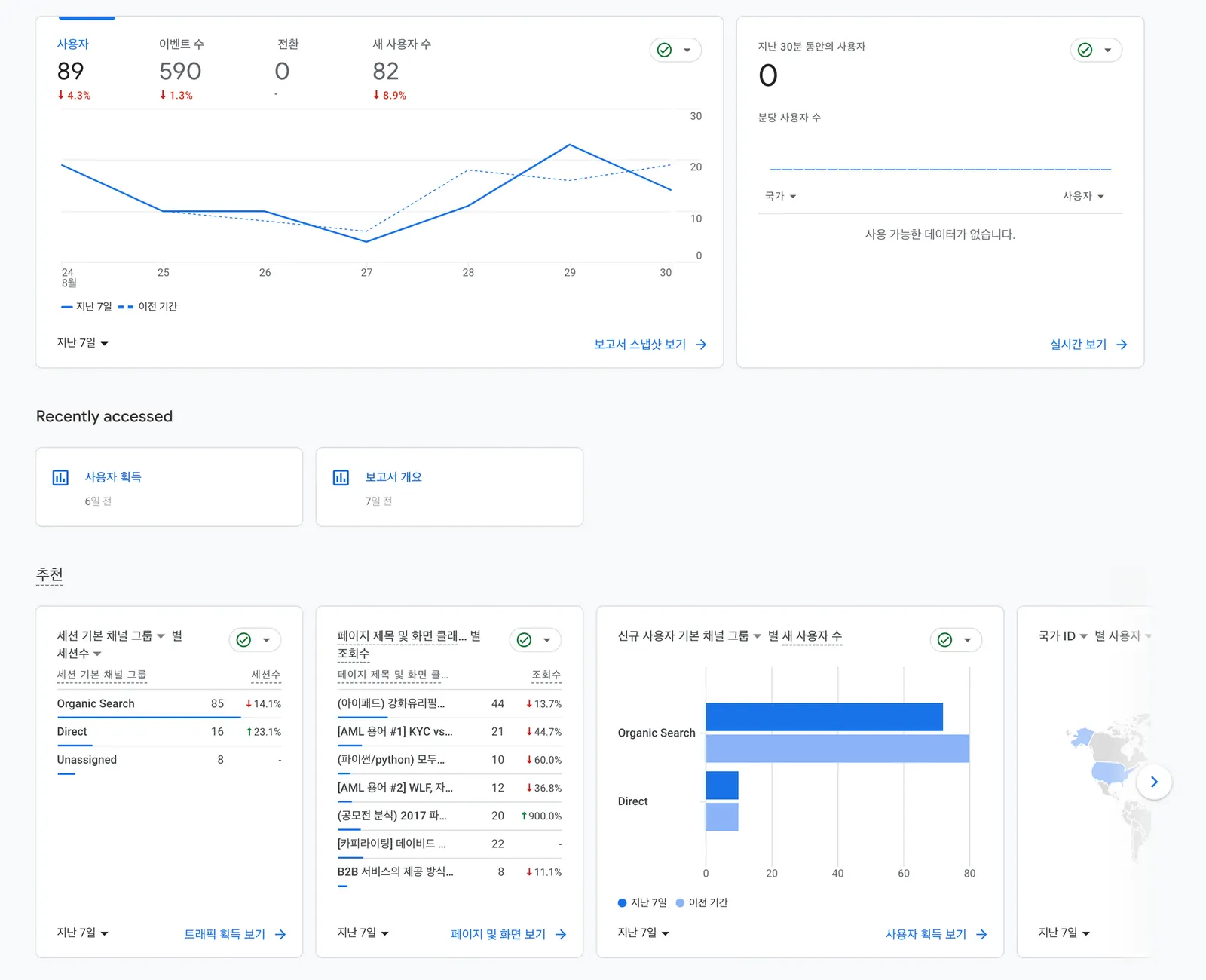
As everything in marketing shifts toward AI, interest in the "data" underneath it is naturally rising too.
In fact, in recent job postings for entry-level marketers, it's easy to spot the phrases "data analysis skills" and "data literacy."
Today I want to share my thoughts on being data-driven.
What makes being data-driven so appealing?
Last fall, while handling marketing alone at an early-stage startup without a senior to learn from, a thought suddenly hit me.
Intuition counts for something too. Is being data-driven really a cure-all?
I searched around and read some books on the question at the time, and came to my own conclusion.
Speaking from a B2B marketer's point of view, I concluded that being data-driven is appealing for customers, the company, and me, all three.
"Me": data gives weight to a junior marketer's opinion
As someone who had to do marketing on my own, there was one step I always had to go through when I proposed a campaign I'd planned to the company: "internal buy-in."
If I couldn't give objective grounds for which channel, for what purpose, and with what expected return I'd be spending marketing budget, my proposal would have been shot down inside the company before it ever reached a customer.
That's when I felt that being data-driven had the power to make even the C-level accept the decisions of a junior marketer like me.
It's still true today, but I resolved that to give my arguments weight within an organization, especially at the junior stage when you lack intuitive experience and know-how, I'd have to use data as my weapon all the more to win internal buy-in.
"The company": data saves money, people, and time
I felt that the more these decisions pile up, the more the company gains too. Internal persuasion grounded in data always comes with "some hypothesis."
The data looks like this, so if we take action X on channel Y, we should get an expected return of Z
It'd be nice if the hypothesis were right from the start, but most decisions, especially at startups, always turn out differently than expected.
Being data-driven gives you good clues for breaking out of that uncertainty.
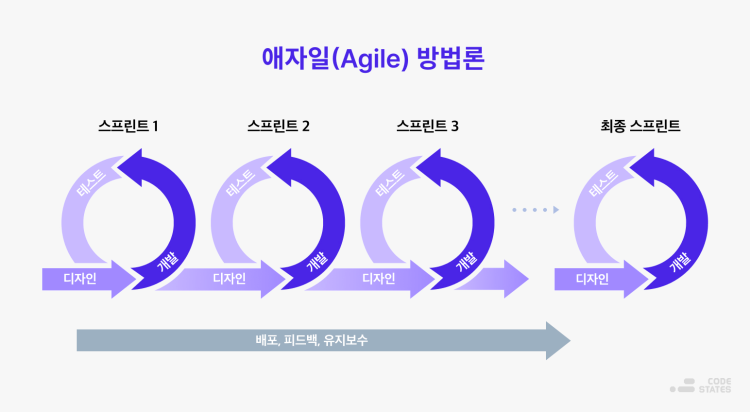
If the hypothesis was wrong, it lets you check which part was off, how the data was interpreted or where it was collected from, and put forward a new hypothesis.
I'm still feeling firsthand these days that agility matters a lot not just for improving products and services, but in marketing too.
"Customers": data gets them what they actually want
From the customer's side too, you get more satisfaction from a company that brings you things that fit your needs exactly, based on the evidence you yourself provided, than from one that pushes products, services and marketing you don't need because of bad decisions.
That's why the data I value most is "reviews." It's the most reliable feedback data a customer can give a company.
Until I started marketing VREVIEW at Indent, honestly, I was the type who couldn't be bothered to leave reviews on shopping sites. Now I actively leave reviews, as a gift to the brands I love and to the next customer.
There's still a long way to go, but I can do it!
That said, when I ask myself honestly, analyzing and using data with an objective eye still isn't easy.
Even when the data I've collected is accurate, I often notice errors creeping in when I add my own interpretation.
There's still a long way to go, but I believe that with a bit more experience, I'll truly be able to practice the kind of data-driven work that benefits customers, the company, and me :)