
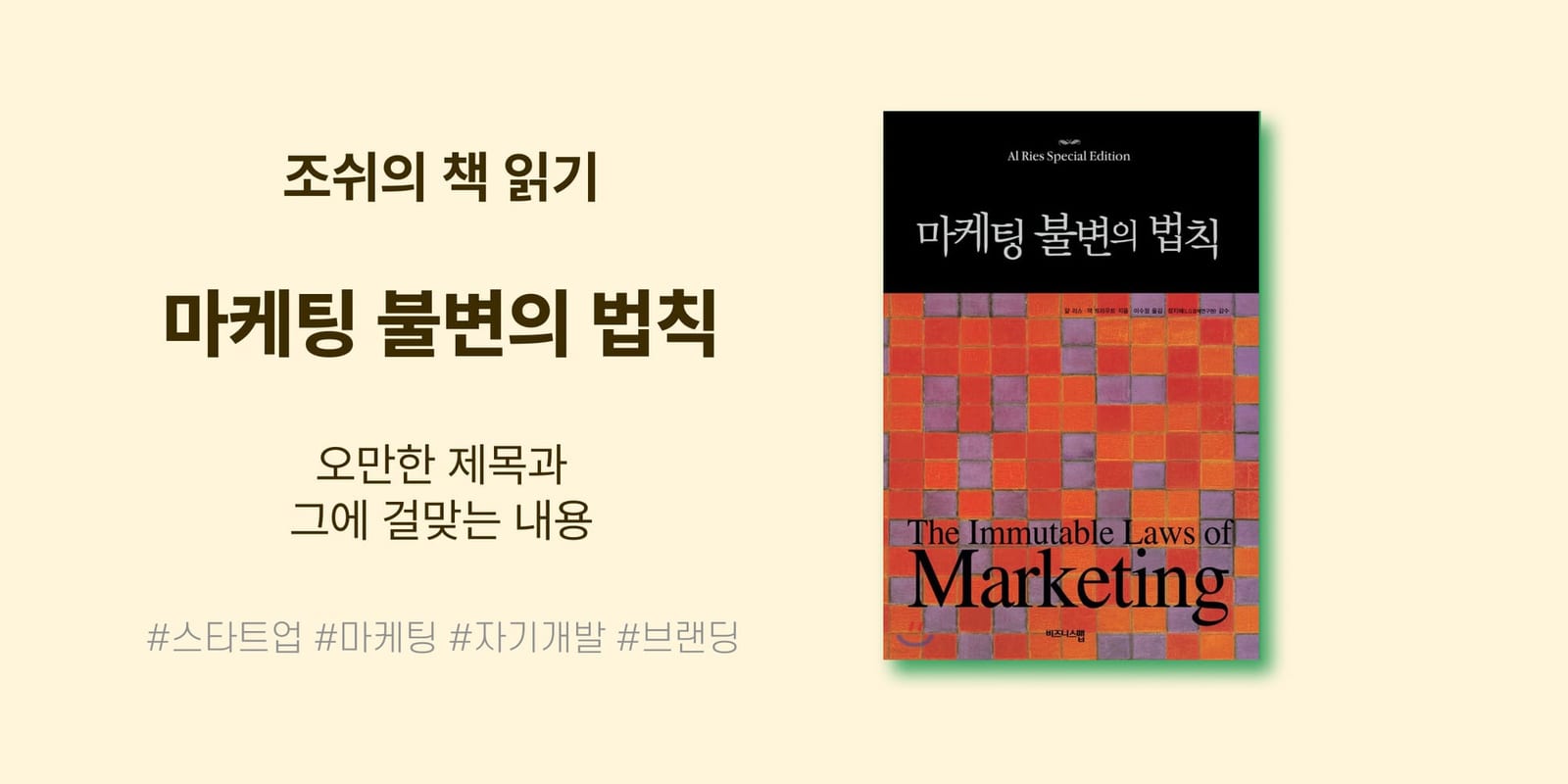
Marketing changes every day, and there are immutable laws?
When I first saw this book's title, something about it struck me as "arrogant."
So many people say marketing is the fastest-changing thing there is, and here's a book about immutable laws! There's even a saying that the easiest way to make up a lie is to put "forever" in front of it.
But the book's content actually centers on the human nature that doesn't change, and talks about everything in marketing, especially positioning.
Marketing is a battle of perceptions, not a battle of products.
A good number of the 22 laws the book introduces are really vehicles for explaining the law of perception, and it uses famous marketing successes and failures from history to help you understand.
To use this book effectively in practice, you need to figure out which keyword your brand occupies in consumers' minds.
Take VREVIEW (Indent Corporation's video review solution) as an example: keywords like "conversion rate" and "video reviews" need to take root in prospects' minds, and they have to connect to the solution called VREVIEW.
The VREVIEW marketer's goal
- Get lots of people to know about VREVIEW (X)
- Teach people why "conversion rate" and "video reviews" matter (O)
This also ties into the now widely used concepts of demand generation and thought leadership.
In the huge persuasion process that is B2B marketing, you have to help customers recognize the problem and be able to offer them the solution to it.
Find a weapon that beats No. 1
Beyond the law of perception, the book also introduces the strategies a brand ranked second or lower should take.
If your market position is low, it says, you should emphasize an attribute completely different from No. 1's, and you also need to shed and turn away the customers who aren't drawn to that attribute.
The book also shows a strong aversion to line extension.
As companies grow, you often see them naturally spin off derivative brands, and the book argues these attempts fail with high probability.
For example, if Marlboro tried to extend beyond the "cowboy" into attributes like "cowgirl" or "elite office worker," even its existing customers would leave.
I partly agree with this argument, but I wondered whether it could really be a practical solution at a time when customer needs are becoming more and more diverse.
Overall (⭐️ 4.0)
The book gave me a chance to think about positioning, the hardest to grasp of the three in what we commonly call STP: segmentation, targeting, and positioning.
Before reading it, I thought the reason STP was needed was simply "to make use of limited resources," but after learning about the law of perception, I could shift my view to seeing it as a way "to maximize results"!
If you're interested in marketing theory and case studies, it's an easy, smooth read, so I recommend it. 😃


