

What are the metrics that actually make us grow?
Hi there.
I'm Josh (Hyosig Jo), a B2B growth marketer at Indent Corporation, an IT startup in Korea.
It's already been well over half a year since I started marketing a great solution called <VREVIEW, the conversion-rate partner for e-commerce companies>!
Since joining Indent, I've been steadily hunting down B2B marketing resources and trying to contribute to the growth of the solution and the company. Along the way, I read a book called Growth Hacking to shore up my fundamentals on growth.
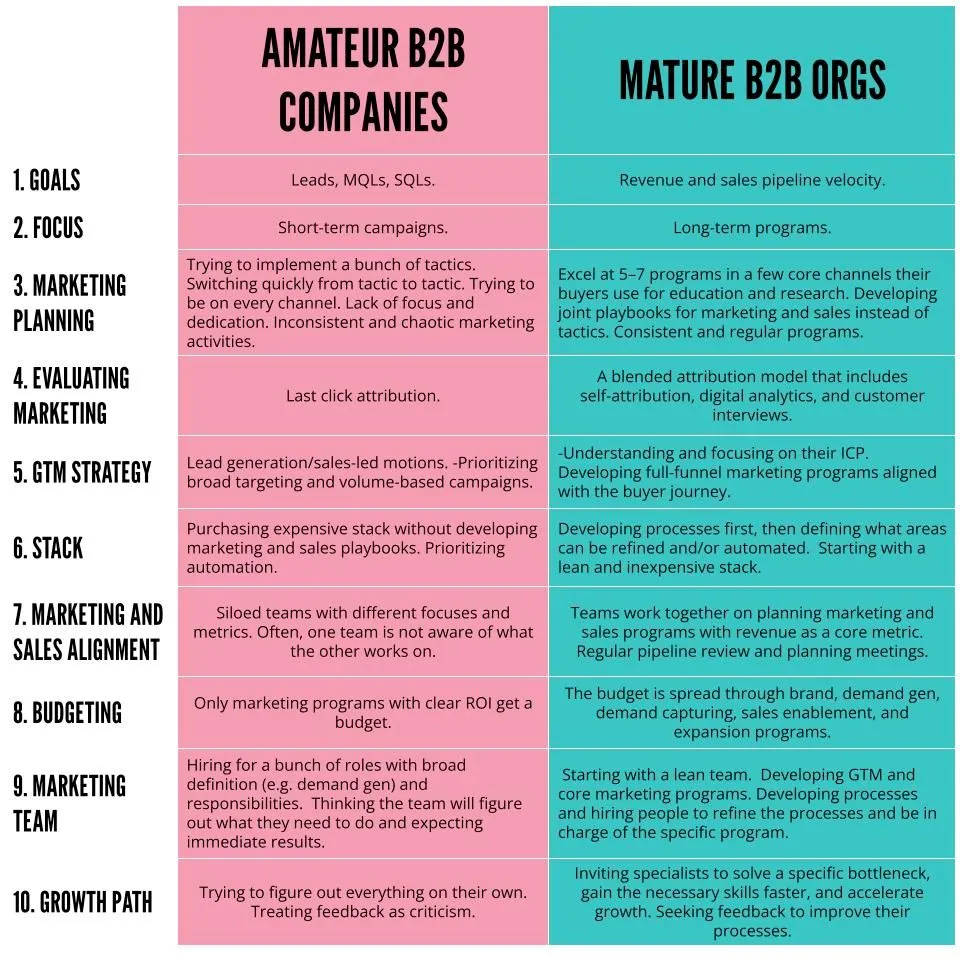
The result: I had to face the fact that the KPI my career had been built on, *lead gen, might be something of a vanity metric.
Of course, I'd always known that low-quality leads don't do much for business growth. But looking back on my Q3 against what the book says, there were a few things I needed to reflect on.
In the end, acquiring leads, or prospects, is the most important goal for a B2B marketer, but for a company to actually grow, I was reminded that I need to look at a higher-order KPI: revenue.
At my previous job, and until very recently, my goals were 'more leads' and 'lower CPA.' In Q4, I plan to flesh out my plans with an eye on 'revenue' and 'the sales pipeline' instead.
For bigger growth, don't limit the marketer's territory
"That's not the marketer's job."
The common thread among the methods introduced in Growth Hacking, the ones that have grown countless startups so far, is that they were built on 'things a marketing team wouldn't normally do.'
I suspect this is also why the usual line between a performance marketer and a growth marketer is 'whether they get involved in product and service development.'
While reading, the
At the time, I was building the website myself in Webflow with only a thin knowledge of web planning, design, and development, and there were plenty of moments where I felt lost.
But now I'm integrating a range of tools myself, including Zapier and Salesforce, and improving the inbound funnel while also taking part in optimizing internal resources, so I'm really glad I did it :)
In Q4, I plan to keep experimenting through the website and build various mechanisms that can lift conversion rates.
Development, design, even sales! Growing as a growth marketer seems like a goal you can't reach by obsessing over marketing alone.

A baseline recommendation for 'growth marketers' and 'anyone working at a startup'
The book itself is short (the main text is about 150 pages) and put together for a light read, but it felt packed with content that helps you seriously dig into 'growth,' the keyword that runs through every startup.
It also reminded me that the growth mindset itself isn't limited to the specific position of 'growth marketer'; everyone who works at a startup needs it.
Just as marketers actively get involved in the work of other roles, it's equally important that other team members' input actively makes its way into marketing.
If someone asked me 'what should a marketer at an IT startup be doing?', I think I'd tell them to read this book :)


